
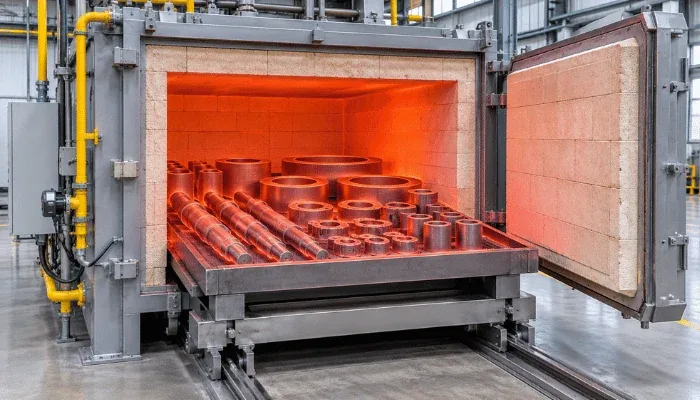
Annealing
Softens steel and prepares it for machining or forming.
View Annealing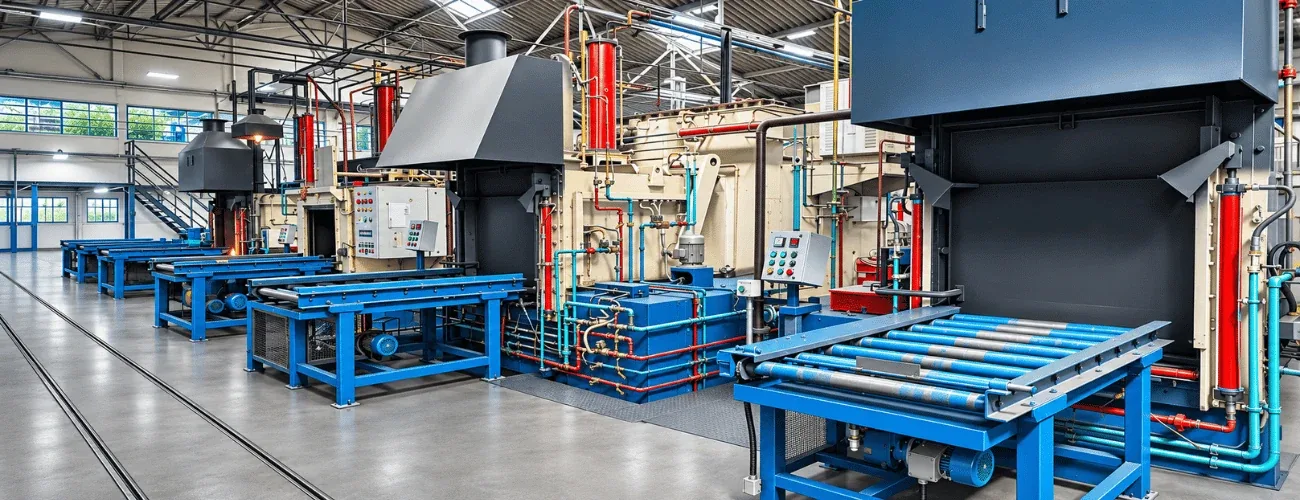
Industrial heat treatment for ferrous and non-ferrous materials, supporting manufacturing and engineering requirements.
Ferrous materials contain iron as their principal element. Heat treatment can alter the microstructure of suitable steels to adjust hardness, toughness or machinability. The route depends on the grade, section size and target properties.
Explore Ferrous MaterialsSoftens steel and prepares it for machining or forming.
View Annealing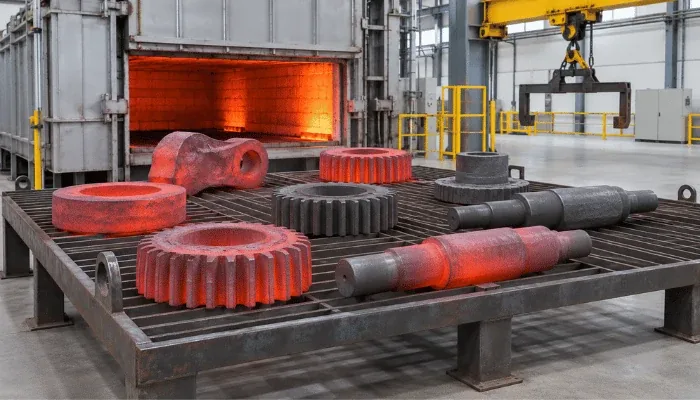
Refines the structure of steel after forging, casting or hot working.
View Normalizing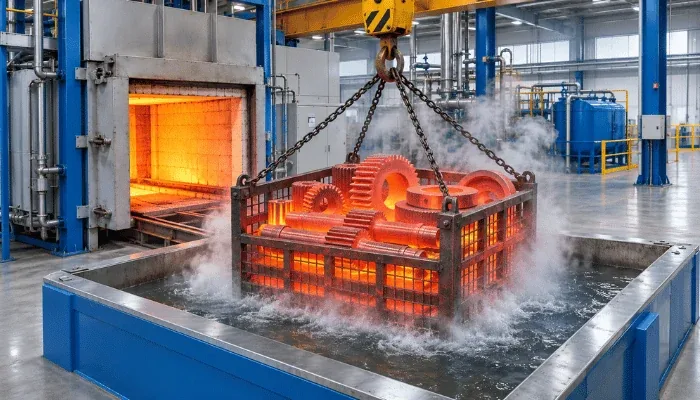
Raises hardness in suitable steels for demanding service.
View Hardening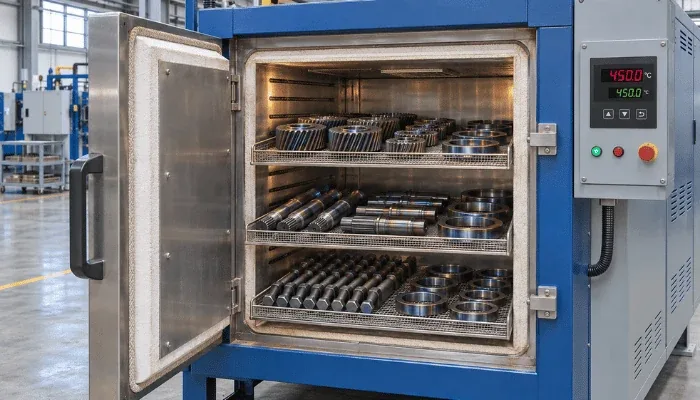
Balances hardness and toughness after steel hardening.
View Tempering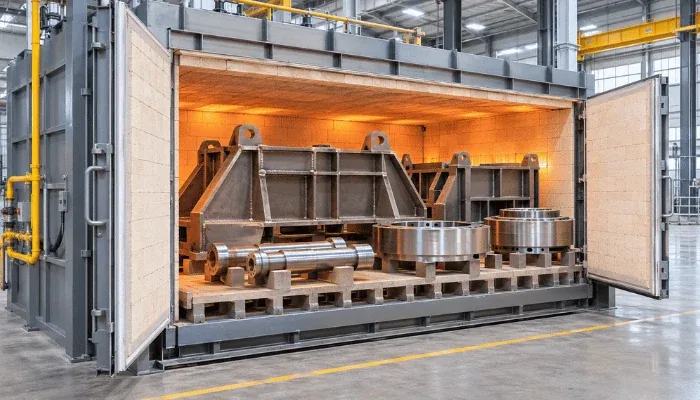
Reduces residual stress in fabricated or machined steel parts.
View Stress Relieving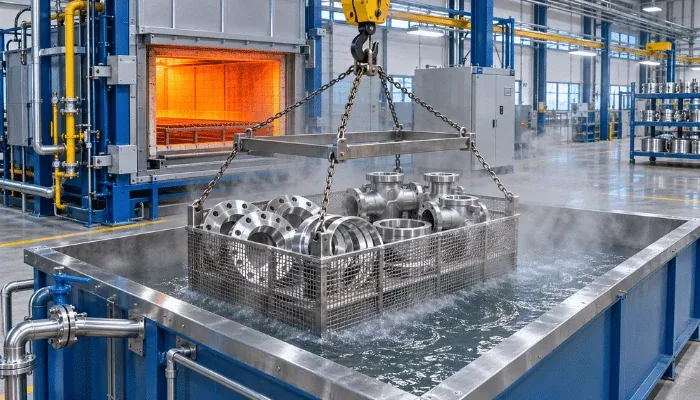
Restores a suitable solution-treated condition in compatible stainless steels.
View Solution Treatment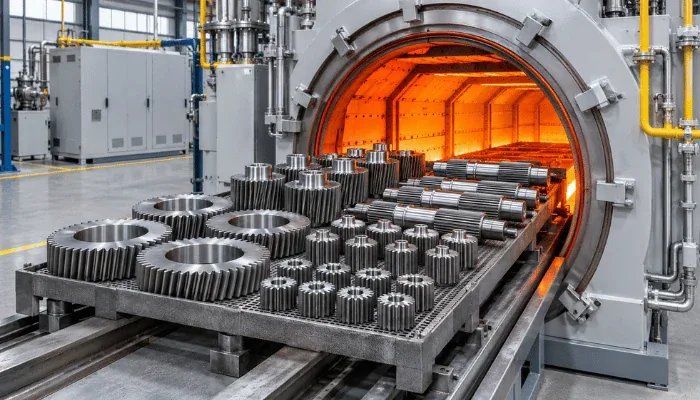
Creates a wear-resistant surface while retaining a tougher core.
View Case Hardening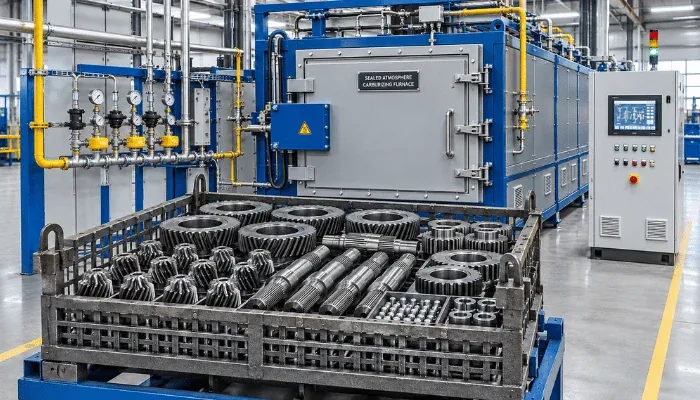
Enriches the surface of suitable steels to develop a hardened case.
View Carburizing / Carbonitriding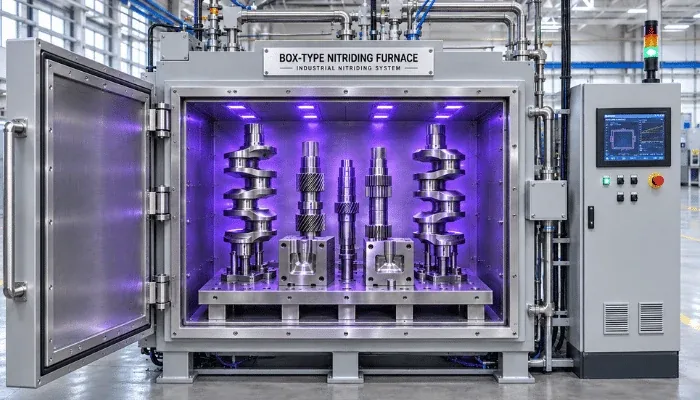
Develops a hard surface layer in suitable steels through nitrogen diffusion.
View NitridingNon-ferrous metals include aluminium, copper and their alloys. Depending on alloy chemistry and prior processing, thermal treatment can restore ductility, improve dimensional stability or develop strength through precipitation.
Explore Non-Ferrous Materials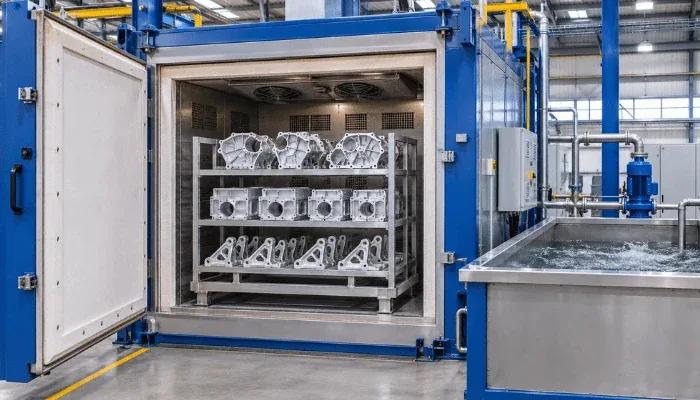
Prepares heat-treatable non-ferrous alloys for aging.
View Solution Treatment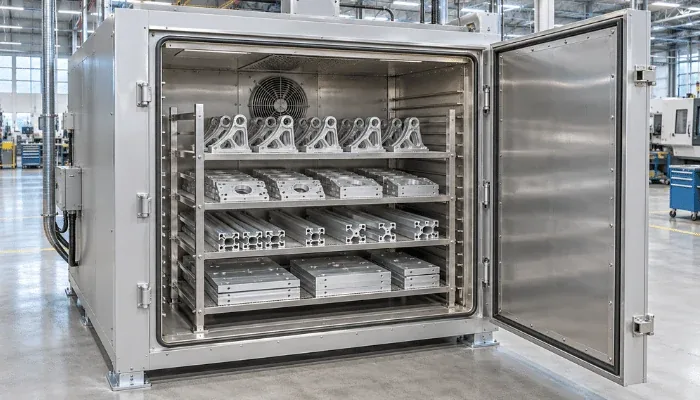
Develops strength in a solution-treated non-ferrous alloy.
View Aging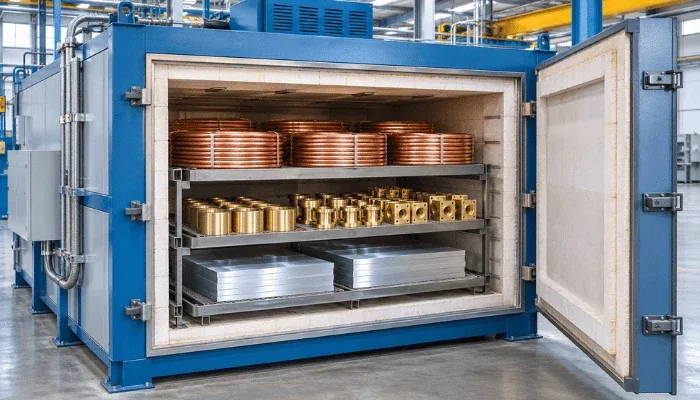
Restores ductility to work-hardened non-ferrous metals.
View Annealing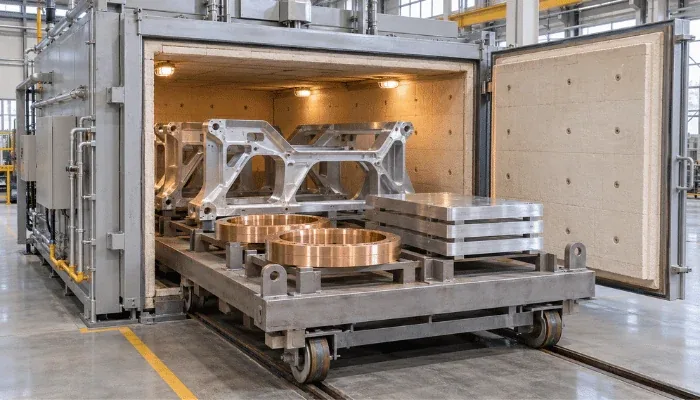
Helps reduce residual stress in non-ferrous components.
View Stress Relieving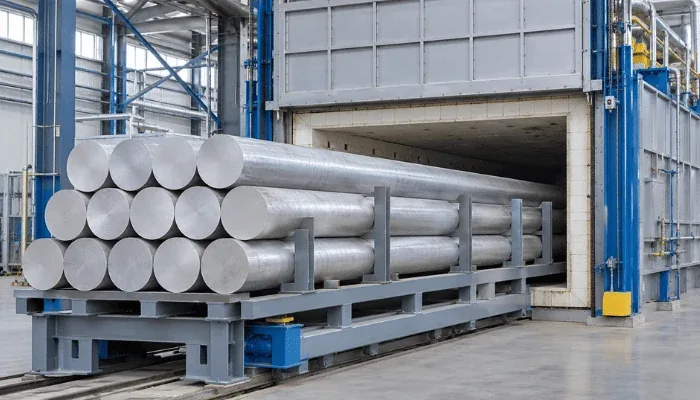
Reduces chemical segregation left by non-ferrous casting.
View Homogenizing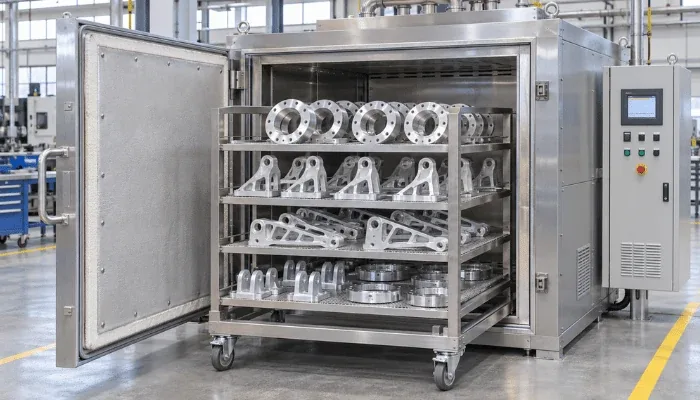
Strengthens compatible non-ferrous alloys through fine precipitates.
View Precipitation Hardening
Conditions suitable alloys for greater dimensional stability.
View Stabilizing
Share your material grade, component details and target properties with our team.